Outdoor Apparel Manufacturing: How Technical Clothing Is Produced
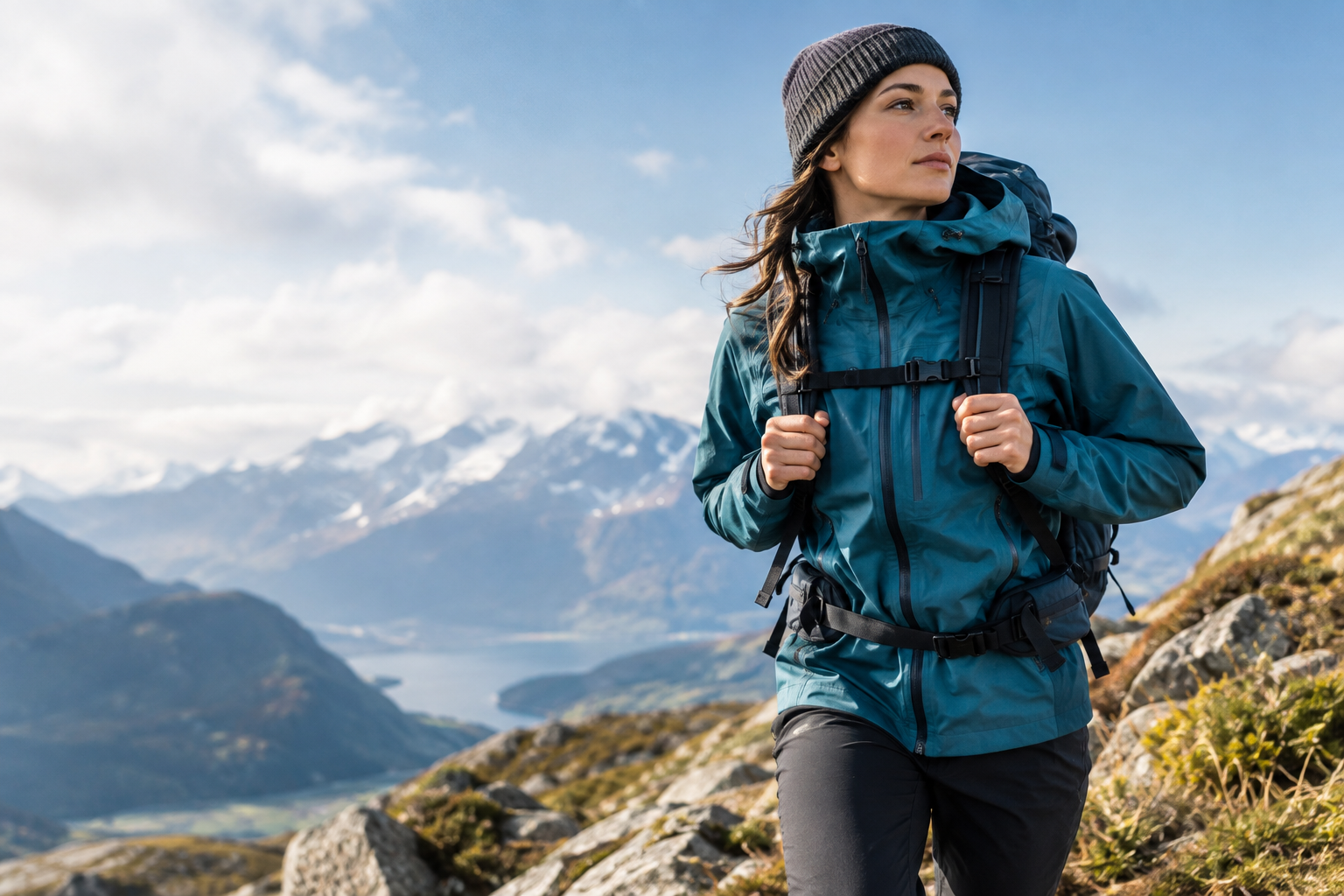
Think about what an outdoor jacket is actually expected to do. Keep rain out for hours. Let sweat escape while doing it. Survive being stuffed into a rucksack, pulled back out, soaked, dried, and stuffed in again. Handle wind, cold, branches, straps, and a few years of genuine use without giving up. Now compare that to what most clothing is asked to do, which is essentially look good and not fall apart. It's a completely different job, and it needs a completely different manufacturing process behind it.
Outdoor apparel manufacturing is one of the more technical corners of the clothing industry. Every fabric choice, seam, and finish exists to solve a specific problem someone will encounter out in the weather. Here's how technical clothing actually gets made, and what separates a jacket that genuinely performs from one that just looks the part.
What Makes Outdoor Apparel Technical?
Technical outdoor clothing isn't just sturdier versions of normal clothes. It's built around performance requirements that ordinary garments never have to meet:
- Weather protection, keeping rain, wind and cold out reliably rather than briefly.
- Breathability, letting body moisture escape so you're not soaked from the inside.
- Durability, standing up to abrasion from packs, rock, branches and repeated hard use.
- Temperature regulation, working across a range of conditions rather than just one.
- Freedom of movement, allowing full range of motion while climbing, hiking or carrying.
- Packability, compressing down without losing shape or performance.
The tricky part is that several of these pull against each other. More waterproofing usually means less breathability. More durability usually means more weight. A lot of technical apparel manufacturing comes down to balancing those trade-offs rather than maximising any single one.
How Is Technical Outdoor Clothing Manufactured?
Technical clothing production involves noticeably more steps than standard clothing, and each one exists for a reason.
Design and Technical Specification
It starts with defining what the garment actually needs to handle. A mountaineering shell and a casual hiking jacket look similar on a rail but have completely different specifications behind them, and that decision shapes every choice that follows.
Selecting Technical Fabrics
Technical fabrics for outdoor clothing include waterproof-breathable membranes, laminated face fabrics, insulation, and durable water repellent finishes. Manufacturers weigh waterproof rating, breathability, weight, and abrasion resistance against each other until the combination genuinely fits the intended use.
Pattern Development for Movement
Patterns are built around how the body actually moves outdoors, reaching overhead, bending, carrying a loaded pack. Articulated sleeves and shaped panels come from this stage, not from styling.
Cutting Technical Materials
Laminated and coated fabrics behave differently from ordinary cloth. They need precise cutting to avoid damaging the membrane and to keep panels consistent across sizes.
Construction and Seam Work
Panels are assembled using construction methods chosen for strength and water resistance, rather than whichever is fastest. Stitch type, needle size, and thread all get specified deliberately.
Seam Sealing and Waterproofing
Every stitch creates a hole, which is a potential leak. Waterproof garment manufacturing involves taping or sealing seams so water can't get through the very stitching holding the jacket together.
Adding Hardware and Components
Waterproof zips, storm flaps, adjustable hoods, hem drawcords, and pit zips all get added and checked for how they perform in real conditions, not just how they look.
Finishing and Quality Checks
Final inspection covers seam integrity, water repellency, zip function, and fit consistency before anything moves into bulk outdoor apparel production.
Technical outdoor clothing is engineered around weather protection, breathability, durability and freedom of movement, with every manufacturing stage designed to deliver reliable performance in demanding conditions.
How Is Technical Outdoor Clothing Tested?
Testing is where outdoor clothing manufacturing genuinely separates itself from general apparel. Claims about waterproofing and breathability have to be proven, not assumed.
Common testing includes:
- Hydrostatic head testing, measuring how much water pressure a fabric resists before leaking.
- Breathability testing, measuring how effectively moisture vapour passes through the fabric.
- Spray and rain room testing, checking full garments rather than just fabric swatches.
- Abrasion resistance testing, assessing how the material holds up to repeated rubbing.
- Wash durability testing, confirming performance survives repeated laundering.
- Real-world field testing, where samples go out with actual users in actual weather.
That last one matters more than people expect. A fabric can pass every lab test and still fail in practice because a hood blocks vision or a pocket sits under a hip belt. Field testing catches the problems lab equipment simply can't.
Choosing the Right Outdoor Apparel Manufacturer
Not every clothing manufacturer can handle technical work, and the gap between those who can and those who claim they can is significant. Worth checking:
- Genuine experience with laminated, coated and membrane fabrics specifically.
- In-house or established seam sealing capability, not outsourced as an afterthought.
- Access to proper testing, either internally or through recognised partners.
- Relevant certifications covering fabric safety, performance and factory compliance.
- Flexible minimum order quantities, particularly useful for growing brands.
- A proper sampling process with room for multiple rounds of fit and performance testing.
- A track record with outdoor or technical brands rather than general apparel only.
A manufacturer who understands technical requirements will usually flag problems with a specification before production starts. One who doesn't will build exactly what's on the tech pack and let you discover the issue later.
The Future of Outdoor Apparel Manufacturing
A few things are clearly shaping where this category is heading:
- PFAS-free water repellent finishes replacing older chemistries as regulation tightens.
- Recycled and bio-based technical fabrics becoming standard rather than premium extras.
- Repairability built in deliberately, with replaceable components and repair services.
- Digital sampling shortening development timelines considerably.
- Smaller, more flexible production runs replacing large-volume-only models.
Sustainable outdoor apparel manufacturing is genuinely difficult, because performance requirements and environmental goals don't always point the same direction. But the pressure is coming from customers as much as regulators now, and outdoor consumers tend to care about this more than most.
Conclusion
Technical garment manufacturing asks a lot more of everyone involved than standard clothing production does. More testing, more specialised equipment, more rounds of sampling, and considerably less room for getting things wrong. That's exactly why choosing the right manufacturing partner matters so much here.
In outdoor apparel, the difference between a good specification and a good finished garment is almost entirely down to whether the factory genuinely understands what they're building and why each detail is there.