Inside Sportswear Manufacturing: From Design Concept to Final Production
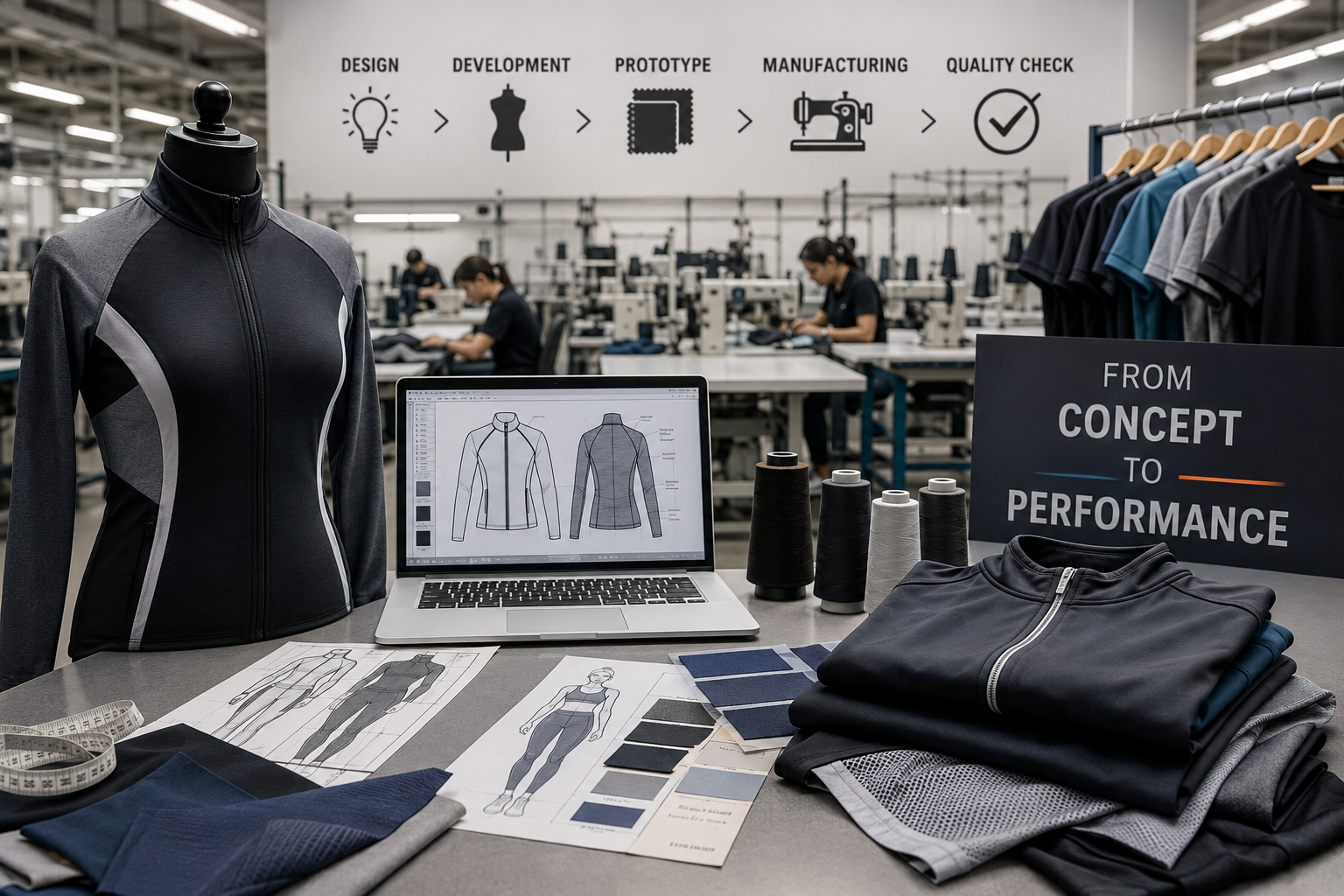
Ever wondered how a simple sketch becomes the high-performance leggings, jerseys, or training gear athletes rely on every day? Behind every finished sportswear product is a carefully managed manufacturing process that combines creativity, engineering, and precision. From selecting technical fabrics to rigorous quality checks, every stage plays an important role in delivering apparel that performs under pressure.
Unlike standard garment production, sportswear manufacturing is built around functionality. Every decision, from fabric selection to seam construction, is focused on improving comfort, durability, flexibility, and overall athletic performance.
Let's take a closer look at how a sportswear concept moves from the designer's desk to large-scale production.
What Makes Sportswear Manufacturing Different?
Manufacturing sports apparel requires far more technical expertise than producing everyday clothing. Performance garments must withstand constant movement, repeated washing, and demanding physical activity without losing their shape or functionality.
- Technical fabrics are engineered for breathability and moisture management
- Stretch and recovery are essential for unrestricted movement
- Reinforced seams improve durability in high-stress areas
- Every garment undergoes more extensive testing before production
Because of these requirements, sportswear factories often use specialised machinery and manufacturing techniques designed specifically for activewear production.
Successful sportswear manufacturing combines innovative design, technical fabrics, precision engineering, and consistent quality control to create apparel that performs as well as it looks.
From Design Concept to Production Planning
Every successful sportswear product begins with a clear design concept. Before production starts, manufacturers carefully plan every detail to ensure the garment can be produced efficiently while maintaining performance standards.
- Design teams develop concepts based on market trends and athletic requirements
- Technical designers prepare detailed specifications and production patterns
- Prototype samples are created to evaluate fit, comfort, and movement
- Production schedules, material requirements, and manufacturing timelines are finalised
Thorough planning at this stage reduces costly production issues later and helps maintain consistency across every garment produced.
Selecting the Right Performance Fabrics
Fabric selection is one of the most important decisions in sportswear manufacturing. The right material directly affects comfort, durability, and overall performance.
- Moisture-wicking fabrics keep athletes dry during activity
- Stretch fabrics improve flexibility without losing shape
- Lightweight materials increase comfort while maintaining strength
- Durable fibres withstand repeated wear and frequent washing
Manufacturers often test multiple fabric options before selecting materials that meet both performance requirements and brand expectations.
Inside the Sportswear Manufacturing Process
Once the design and materials are approved, production begins through a carefully controlled sequence of manufacturing stages.
Cutting, Printing and Assembly
- Fabric is precisely cut using digital or automated cutting systems
- Graphics, prints or dyeing processes are applied where required
- Individual panels are stitched together using specialised sewing equipment
- Critical stress areas receive reinforced stitching for added durability
Finishing and Packaging
- Loose threads are removed and garments are carefully finished
- Labels, trims and branding elements are added
- Each garment undergoes final inspection before packaging
- Finished products are prepared for shipment to retailers and brands worldwide
Quality Control Throughout Production
Quality assurance isn't something left until the final inspection. It takes place throughout the manufacturing process to ensure every garment meets strict performance standards.
- Fabrics are tested for durability, stretch, and colour consistency
- Seams are inspected for strength under repeated movement
- Fit measurements are checked against approved specifications
- Random production samples are inspected to maintain consistency
Continuous quality control helps minimise defects while ensuring every finished product performs exactly as intended.
Technology Is Transforming Sportswear Manufacturing
Modern manufacturing facilities increasingly rely on advanced technology to improve efficiency, reduce waste, and deliver higher-quality products.
- Automated cutting systems improve accuracy and minimise material waste
- 3D garment development speeds up product approvals and sampling
- Production planning software optimises scheduling and inventory
- Smart manufacturing systems monitor production in real time for greater efficiency
These innovations help manufacturers produce sportswear faster while maintaining high standards of quality and sustainability.
Choosing the Right Sportswear Manufacturing Partner
Selecting an experienced manufacturing partner is just as important as creating a great design. The right manufacturer contributes valuable technical expertise throughout product development.
- Proven experience in sportswear and activewear production
- Strong sourcing capabilities for technical performance fabrics
- Flexible manufacturing for both small and large production runs
- Commitment to sustainable manufacturing practices
- Transparent communication throughout development and production
A reliable sportswear manufacturer doesn't simply produce garments—they help transform innovative concepts into high-quality products that meet the expectations of athletes, brands, and consumers alike.