The Future of Sportswear Manufacturing: Trends and Innovations to Watch in 2027
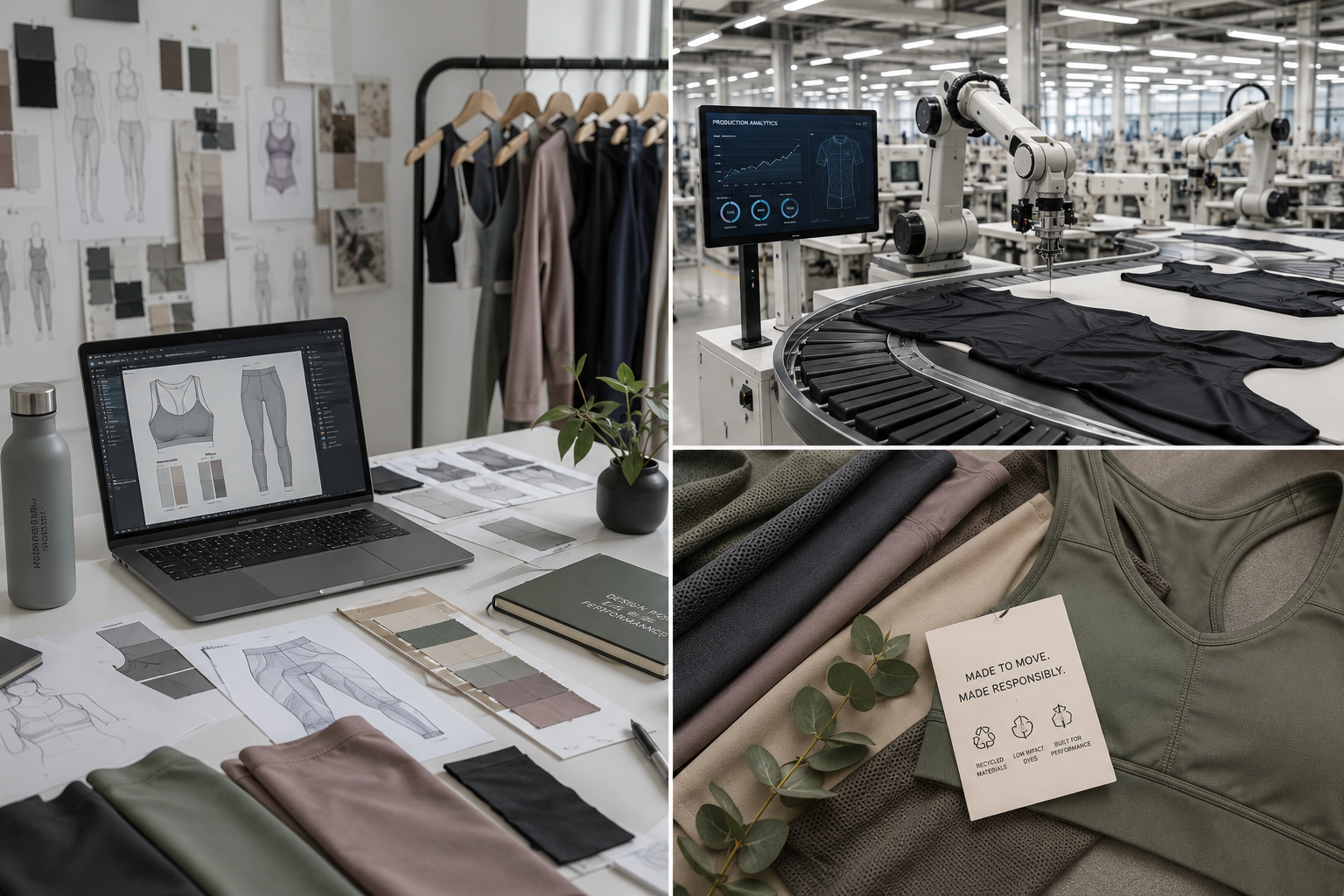
Ever wondered what actually goes into making the leggings, jerseys, and trainers you wear every day? Behind every stretchy, sweat-wicking piece of activewear is a manufacturing process that's changing faster than most people realise.
Sportswear manufacturing is no longer just about stitching fabric together. It's becoming a mix of smart technology, high-performance materials and sustainability, all working together to keep up with how fast the industry moves.
The future of sportswear manufacturing isn't just about making clothes faster. It's about making them smarter, cleaner and built to actually perform.
Why Sportswear Manufacturing Is Entering a New Era?
For years, sportswear production followed a fairly predictable path, design, sample, produce, ship. That's changing fast.
A few things are pushing this shift:
- Consumers expect performance, not just style
- Brands need faster turnaround from design to shelf
- Sustainability is now a real requirement, not a marketing line
- Technology is finally catching up with what the industry needs
Heading into 2027, sportswear manufacturers are being asked to do more, faster, cleaner and smarter than ever before.
The future of sportswear manufacturing is being shaped by smart technology, high-performance materials and more sustainable production.
AI, Automation and Digital Manufacturing Are Reshaping Production
Automated garment manufacturing is no longer a futuristic idea, it's already happening on factory floors.
AI-Powered Production Planning and Quality Control
- AI tools help forecast demand more accurately, reducing overproduction
- Quality checks are being automated, catching defects earlier
- Production schedules adjust in real time based on live data
Automated Cutting, Sewing and Smart Factory Technologies
- Automated cutting machines reduce fabric waste and human error
- Robotic sewing technology is speeding up repetitive production tasks
- Smart factories connect machines and data for better efficiency
3D Design and Digital Sampling
- Designers can preview garments digitally before cutting any fabric
- This cuts down on physical samples and speeds up approvals
- It also reduces fabric waste during the development stage
Performance Fabrics Are Driving the Next Generation of Sportswear
Materials are evolving just as fast as the machines making them.
Smart and Sensor-Enabled Textiles
- Fabrics embedded with sensors can track movement, heart rate or temperature
- This is opening the door to genuinely wearable performance tech
- Expect more crossover between sportswear and fitness tracking
Lightweight, Moisture-Managing and High-Performance Fabrics
- Newer fabrics are lighter without sacrificing durability
- Moisture-wicking technology continues to improve comfort during activity
- Stretch and recovery performance is becoming more advanced
Recycled and Bio-Based Materials
- More brands are shifting toward recycled polyester and nylon
- Bio-based fabrics made from renewable sources are gaining traction
- This shift is closely tied to broader innovation in sportswear development
Sustainability Is No Longer Optional in Sportswear Manufacturing
Sustainability used to be a nice-to-have in sports apparel manufacturing. In 2027, it's becoming a baseline expectation.
- Brands are under growing pressure from regulators and consumers alike
- Sportswear factories are investing in cleaner production methods
- Waste reduction and recycled materials are moving from pilot projects to standard practice
- Transparent sourcing is increasingly expected, not just appreciated
Choosing the Right Sportswear Manufacturing Partner for 2027
Choosing the right manufacturing partner matters more than ever. Brands should be looking for:
- Sportswear suppliers who are already investing in automation and smart technology
- Manufacturers with genuine sustainability practices, not just claims
- Partners offering flexibility for activewear production at different scales
- Strong sportswear sourcing relationships built on transparency and communication
- Manufacturers exploring nearshoring options to shorten lead times and reduce shipping delays
Staying ahead of sportswear manufacturing trends means working with partners who are evolving just as quickly as the industry itself.